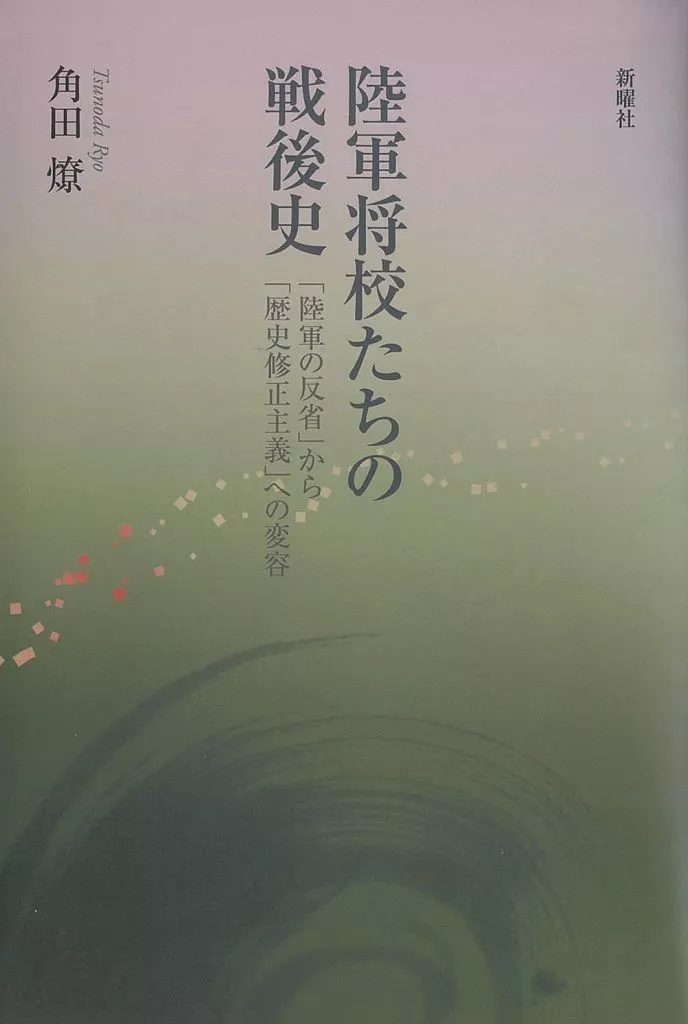
Book (Practical) Society The Postwar History of Army Officers / Ryo Tsunoda


Product description ※Please note that product information is not in full comprehensive meaning because of the machine translation.
SOCIETY
[Introduction to the Contents]
After the war, the elite members of the former Army, who formed the Association for the purpose of friendship and mutual support, felt remorse for leading the war.
Why did they approach "history revisionism" and make the association radical as a political organization?
We look at the changes in the postwar history and views of war among Army officers.
* The study of the postwar history of former military personnel has mainly dealt with lower-ranking soldiers and noncommissioned officers (semi-elite).
* This book focuses on the senior members of the former Army and clarifies their postwar history and views of war.
* In the past research groups for Association of Military Personnel, the non-political nature of Association of Military Personnel and the difficulty of passing on Association to the postwar generation have been pointed out.
* In the past research groups for Association of Military Personnel, the non-political nature of Association of Military Personnel and the difficulty of passing on Association of Military Personnel to the post-war generation have been pointed out.
The examples in this book that the Association of Military Personnel became political in the 1990 s and opened its doors to former senior officials of the Self-Defense Forces also contribute to the accumulation of Association of Military Personnel research.
Ritsumeikan Ritsumeikan University