Electrical engineering Concept / Usage of unit tests


Product description ※Please note that product information is not in full comprehensive meaning because of the machine translation.
Electrical Engineering
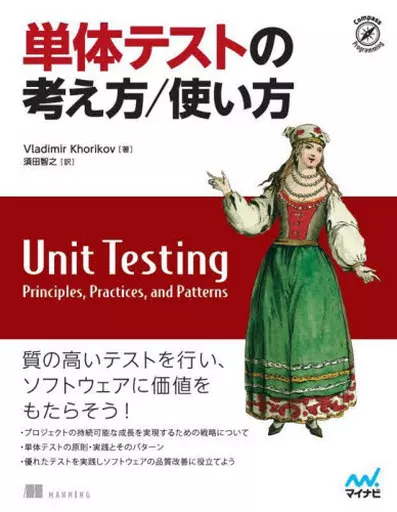
Let's take a closer look at best practices and common anti-patterns for unit testing. By first defining the ideal unit testing, this book provides a framework for a universal reference. Using this framework, many test cases shed new light and make it easier to determine "whether it is worth the project" and "whether it needs refactoring or needs to be removed." If you have little experience with unit testing, you will learn a lot from this book. If you have already experienced unit testing, you will have a clearer understanding of how the techniques and best practices you have used have been useful for development, and you will be able to communicate this to your colleagues and others. By the end of this book, you will have the new skills you have acquired as well as the knowledge you need to deliver software that is easy to maintain and change with testing. A translation of Manning's Unit Testing : Principles. Practices. and Patterns. Table of Contents Part 1 : What is unit testing? ◇ Chapter 1 : Why do I do unit testing? ◇ Chapter 2 : What is unit testing? ◇ Chapter 3 : Structural analysis of unit testing and its value ◇ Chapter 4 : The four pillars of good unit testing ◇ Chapter 5 : The use of mocks and the fragility of testing ◇ Chapter 6 : Three methods of unit testing ◇ Chapter 7 : Refactoring to increase the value of unit testing ◇ Chapter 8 : Why do I do integration testing ◇ Chapter 9 : Best practices for mocking ◇ Chapter 10 : Testing against the database Part 4 : Anti-patterns for unit testing ◇ Chapter 11 : Anti-patterns for unit testing